Focused arrival windows
Useful updates and clear arrival timing.
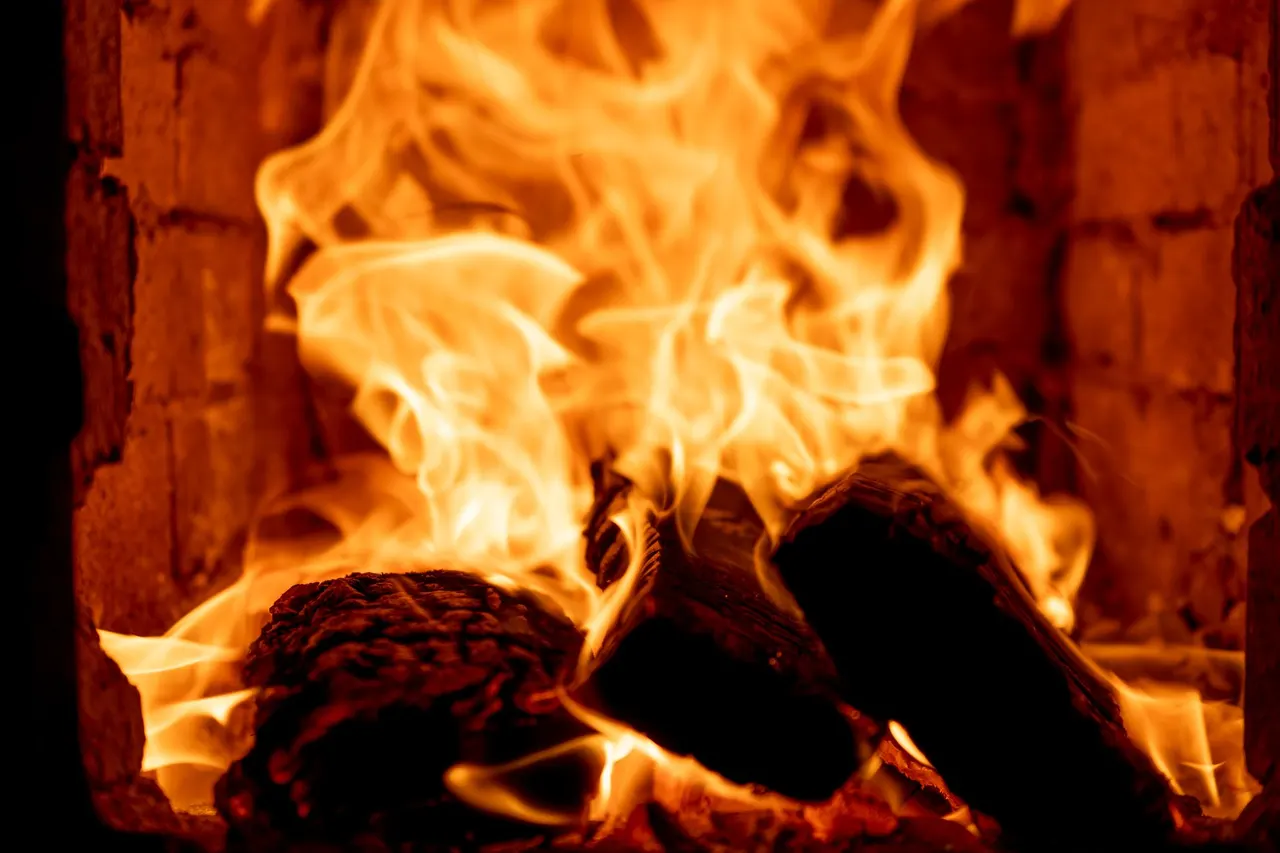
When your old unit quits, you need Furnace Installation Monterey Park CA homeowners can count on before the next cold snap. We size, permit, and install Carrier, Trane, and Rheem systems for houses and duplexes from Downtown Monterey Park to Monterey Highlands. Every new furnace replacement Monterey Park job includes a load calculation, new gas flex, and a combustion test before we hand you the thermostat.
Useful updates and clear arrival timing.
Review the approach and price before deciding.
Equipped vehicles and respectful cleanup.
Neighbors serving neighbors with follow-through.
Every replacement we do covers the full scope, not just the box swap. Here is what is standard on a Furnace Fix Pros install, and what would be an add-on if your house needs it.
A correctly sized Carrier, Trane, Lennox, Rheem, or Goodman unit matched to your load calculation, plus a new programmable or smart thermostat wired and configured. We register the manufacturer warranty in your name before we leave.
We file the mechanical permit with the city of Monterey Park and meet the inspector on site. That covers venting, gas connection, electrical disconnect, and clearance to combustibles, which are the items inspectors check most often.
New sediment trap, gas valve connection, and a code-correct flue sized for the new unit's BTU input. Electrical gets a dedicated circuit check, and we verify the breaker and disconnect match the nameplate amp draw.
We use a combustion analyzer to verify CO levels and temperature rise, and a digital manometer to check static pressure. If the ductwork is undersized, we tell you what it will cost to fix rather than leaving you with a unit that short cycles.
The old furnace, old flue pipe, and all packaging leave with us the same day. We wipe down the closet, vacuum the return, and leave you with the filter size written on a sticker so you know what to buy next time.
Share what is happening and receive a clear next step from the local team.
Furnace Installation Monterey Park CA is the licensed removal and replacement of your home's central heating unit, including the gas line, flue, electrical circuit, thermostat wiring, and duct connection. We pull the old furnace, inspect the heat exchanger and flue for cracks or corrosion, then set a correctly sized unit on a new pad or platform. Before we leave, we run a combustion analyzer on the flue gas, check static pressure, and confirm the temperature rise matches the data plate.
Most Monterey Park homes were built between the 1940s and 1970s, so we regularly find undersized returns, single-wall flues, and closet installations that no longer meet current California code. If your furnace is tripping the breaker, blowing cold air, or short cycling, a new furnace installation Monterey Park California style means fixing the venting and airflow at the same time, not just swapping the box. We also handle older homes where a furnace replacement in Monterey Park California is the only way to get safe, reliable heat.
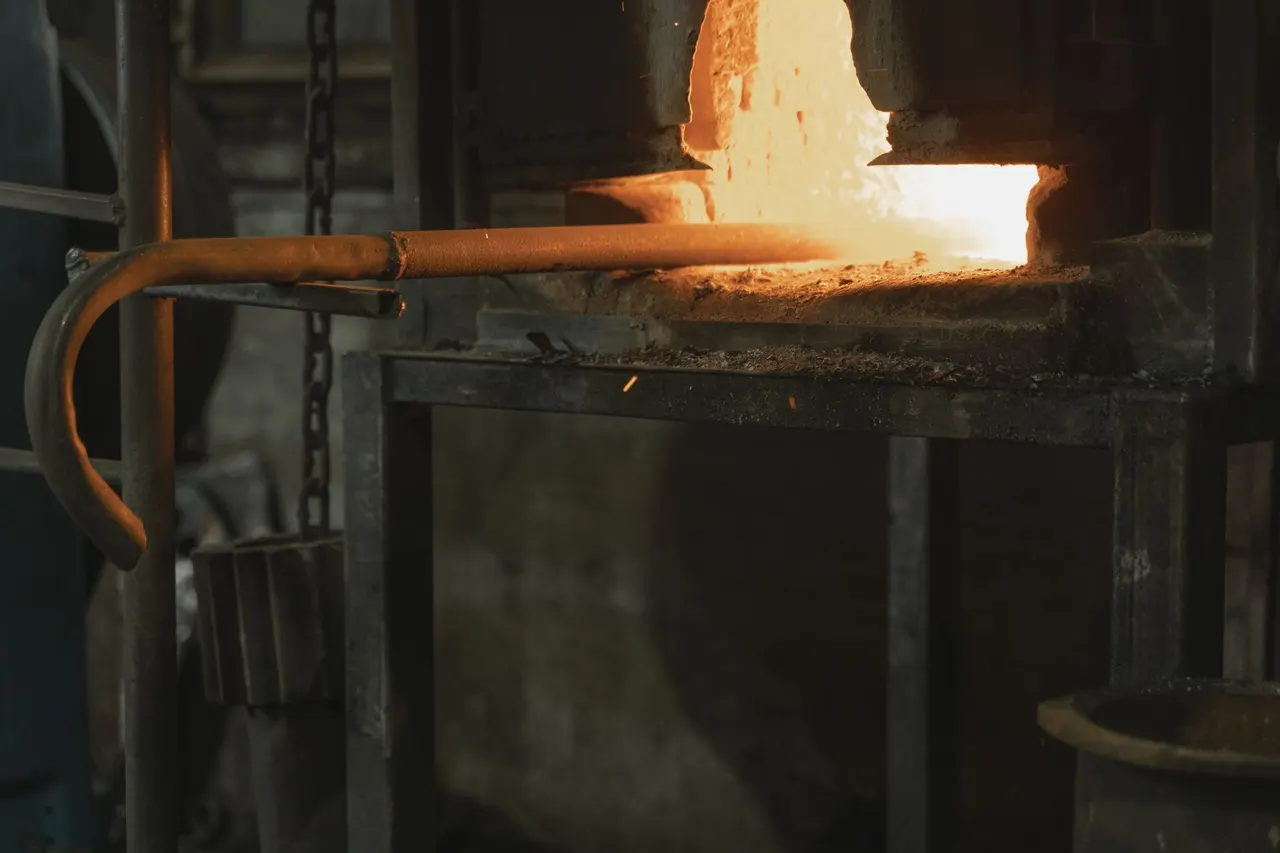
We ask for your address, the furnace brand and model if you can read it off the data plate, and whether the unit is in a closet, attic, or garage. That tells us which tools and which size truck to send. You get a same-day window, not a four-hour maybe.
The tech measures square footage, window area, insulation, and existing duct sizes, then runs a Manual J load calculation. This is how we avoid oversizing, which causes short cycling and cracked heat exchangers. Takes 30-45 minutes and costs nothing if you move forward.
You get one page: equipment model, AFUE rating, BTU output, warranty terms, permit fee, and haul-away. Good, better, best options are listed side by side. No pressure, no same-day-only discount games. The number you see is the number you pay.
We protect the floor, disconnect gas and electrical, remove the old unit, and set the new furnace. New gas valve, sediment trap, flue pipe, and thermostat get installed. Most swaps take 4-6 hours; attic or downflow jobs can run 8.
We fire the furnace, clock the gas meter, and use a combustion analyzer to verify CO and temperature rise. Static pressure gets checked with a digital manometer. You get a walkthrough, filter size, and the permit card before we pack up.
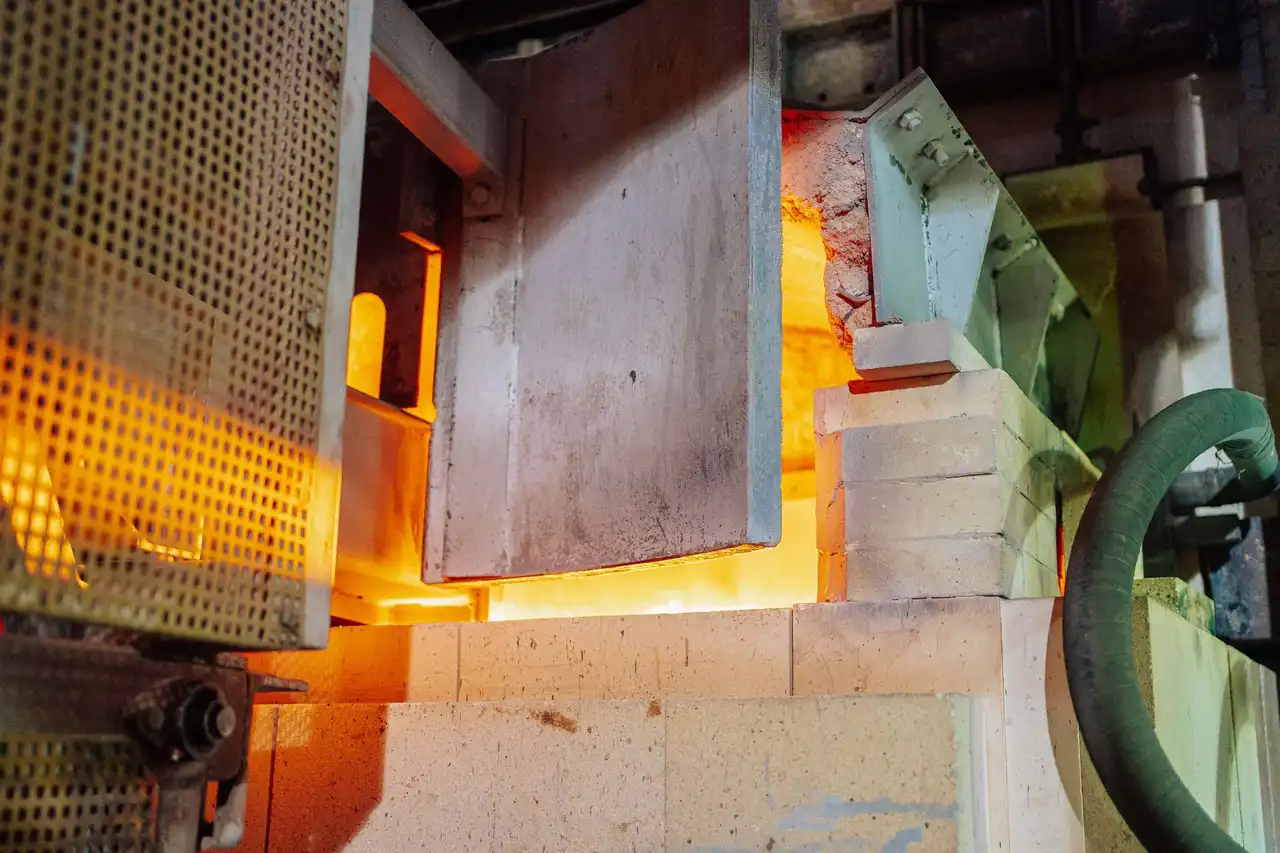
Measures CO, CO2, and flue temperature at startup. We use it to confirm the furnace is burning clean and the temperature rise matches the data plate before we leave.
Checks static pressure across the blower and filter. High static pressure is the number one cause of short blower motor life, and it is invisible without this tool.
Used on dual-fuel and hybrid systems to verify refrigerant charge on the heat pump side during commissioning.
Traces control voltage, checks the igniter and flame sensor, and confirms amp draw on the blower motor and inducer against the nameplate.
Scopes the heat exchanger and flue for cracks, corrosion, and blockages that are not visible from the outside of the cabinet.
For hybrid installs, we evacuate and recharge the refrigerant circuit to EPA Section 608 standards, with recovery on the old line set.
We measure square footage, window area, insulation values, and duct sizing, then calculate the actual BTU load for your house. This is how we avoid oversizing, which causes short cycling and premature heat exchanger failure.
We verify return and supply airflow against ASHRAE guidance so the new furnace gets the CFM it needs. Undersized returns are common in older Monterey Park homes and are a leading cause of high-limit trips.
Every install follows the equipment maker's commissioning steps, including gas pressure, temperature rise, and flue draft. That checklist is what keeps the warranty valid if a part fails in year three.
Gas line work, attic heat, and electrical disconnects all follow OSHA safety procedures. We lock out and tag out the circuit, and we test for gas leaks with an electronic detector before we leave.
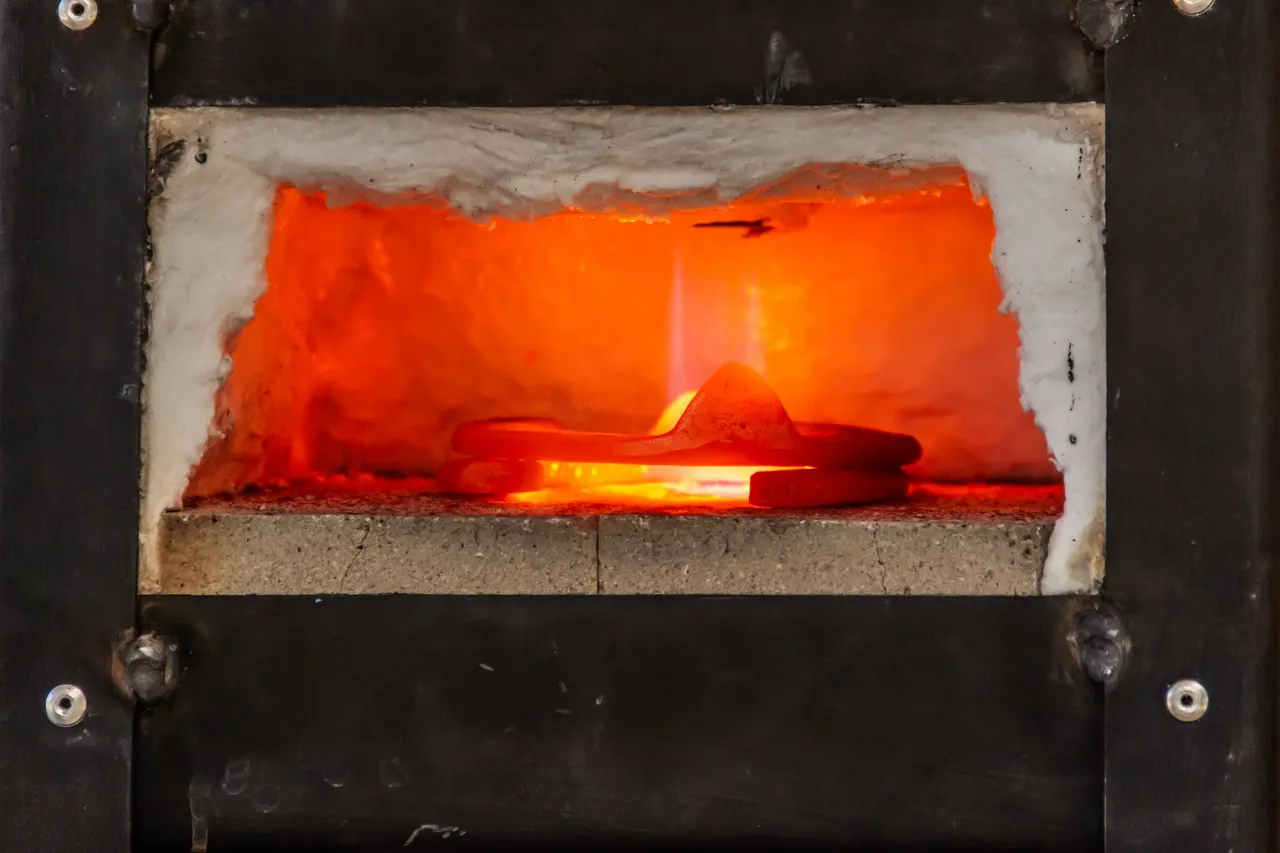
We remove the gravity unit, install a modern 80% or 96% forced-air furnace, run a new flue, and add a proper return air drop. The old closet usually needs a platform rebuild and a new door louver to meet code. The house heats in 15 minutes instead of 45, gas usage drops noticeably, and the new unit passes city inspection for resale.
We quote both units as a package, pull two permits, and schedule the installs back to back so neither tenant is without heat overnight. Both get new thermostats and filter racks. Both tenants stay warm, the owner gets one invoice, and the property is set for another 15-local experience.
We diagnose the failed igniter and cracked heat exchanger on the first visit, confirm the unit is not worth repairing, and install a new furnace the next morning. Temporary electric heat covers the night. Heat is back within 24 hours, and the homeowner avoids a second emergency call the following winter.
Monterey Park is mostly older housing stock, and that shapes every install we do. The city has a high concentration of 1940s-1970s single-story homes with closet or attic furnaces, single-wall flues, and ductwork sized for 80,000 BTU units that were standard when the houses were built. When we install a modern 96% furnace, the flue often has to be relined or converted to PVC, and the return air drop usually needs upsizing to keep static pressure in range. We pull the mechanical permit with the city and meet the inspector, which matters because Los Angeles County inspectors look closely at venting and clearance to combustibles in older closets. Winter here is mild, but the December and January mornings still hit the low 40s, and that is when a failing furnace turns into a no-heat call. If you are searching for energy-efficient furnace installation Monterey Park CA or furnace installation in Downtown Monterey Park, we can usually quote the same day and install within the week.
Dense blocks of 1950s-60s single-story homes with closet furnaces. Many closets are tight on clearance, so we often install a smaller-profile unit or rebuild the platform to meet code.
Hillside lots with more attic and downflow furnaces. Attic installs here need careful flue routing and a second tech for the lift, which we factor into the quote.
Mix of duplexes and small multi-family properties. We regularly quote two-furnace packages and coordinate installs so tenants are never without heat overnight.
Older homes with original single-wall flues. Most replacements here include a flue upgrade to meet current California mechanical code.
A straight box swap will short cycle and trip the high-limit switch. We budget for flue relining and return air upsizing so the new furnace actually performs to its rating.
Furnaces here run fewer hours than in colder climates, which means they often fail from neglect rather than wear. We check the heat exchanger and flue carefully on every service call.
We file the permit and meet the inspector, which adds a day or two to the schedule but protects you at resale and keeps your insurance valid.
A 1974 80% furnace in a hallway closet, tripping the high-limit switch every cold morning. The flue was single-wall and the return air grille was undersized, so the unit ran hot and short cycled. The homeowner was quoted a repair that would have cost a third of replacement.
We installed a 96% two-stage Carrier with a new PVC flue, upsized return drop, and a smart thermostat. Temperature rise now sits at 42 degrees, static pressure dropped from 0.9 to 0.55, and the high-limit trips stopped entirely.
Maintenance: Change the 16x25x1 filter every 60 days, and schedule a combustion check each fall before the first cold snap. The two-stage board logs fault codes, so a quick LED read tells you if anything drifts.
A 1990s builder-grade furnace in the attic of a hillside home, blowing cold air and making a loud noise on startup. The inducer motor bearings were shot and the heat exchanger had a hairline crack near the burners. Two rooms never got warm.
New 80,000 BTU Trane two-stage unit installed on a rebuilt platform with a new flue and a sealed return. The two cold rooms now hold within 2 degrees of the hallway, and startup noise dropped to a low hum.
Maintenance: Attic units collect more dust, so we recommend a filter change every 45 days and an annual blower cleaning. Keep the attic access sealed to stop insulation fibers from pulling into the return.
Two early-2000s Goodman furnaces, both failing in the same month. One had a bad control board, the other a cracked heat exchanger. The owner was facing two emergency calls and two separate contractors.
We quoted both units as a package, pulled two permits, and installed two Rheem 96% furnaces back to back. Both tenants stayed warm, and the owner got one invoice and one warranty registration for the pair.
Maintenance: We set both thermostats to the same schedule and labeled the filter size on each closet door. An annual fall tune-up on both units keeps the package warranty intact and catches inducer wear early.
Some furnace problems are worth repairing. Others mean the unit is on borrowed time. Here are the ones that usually point toward replacement rather than another parts bill.
A cracked heat exchanger can leak carbon monoxide into your supply air. It is not a part you patch, and most manufacturers stop stocking them after 15 years. We scope the heat exchanger with an inspection camera, show you the crack on screen, and quote a replacement the same visit. If you need heat that night, we can set up temporary electric heat while the new furnace is ordered.
Short cycling wears out the blower motor, control board, and limit switch, and it usually means the unit is oversized or the ductwork is restricted. Left alone, it kills the furnace a few winters early. We check static pressure, verify the temperature rise, and run a load calc. If the unit is oversized, we replace it with the correct BTU output and fix the return air restriction at the same time.
On older standing-pilot units, a dirty flame sensor or failing thermocouple is common. On newer units, a bad igniter or gas valve does the same thing. Either way, you wake up to a cold house. We test the thermocouple, flame sensor, and gas valve with a multimeter. If the parts are available and the heat exchanger is sound, we repair it. If the unit is past 15 years, we quote a replacement and let you decide.
Our techs hold NATE certification and EPA Section 608 credentials, and we work under an active CSLB license. We install and service Carrier, Trane, Lennox, Rheem, Goodman, Bryant, American Standard, York, Mitsubishi Electric, and Daikin equipment, so we are not locked into one brand's quirks. Every install follows ACCA standards for load calculation and ASHRAE standards for airflow and venting. We have replaced everything from 1960s gravity furnaces in Monterey Highlands to failed 2018 builder units in Downtown Monterey Park. We also pull the mechanical permit and schedule the city inspection, which most one-truck operations skip.
Our 1972 furnace finally gave out in January and we had three quotes by Wednesday. Furnace Fix Pros was the only one who actually measured the house and ran a load calc. They installed a Trane two-stage unit, pulled the permit, and the inspector signed off the same week. House heats evenly now, and the gas bill dropped about $30 a month.
Attic furnace replacement in a 1950s house is not a fun job, and two other companies tried to talk me into a downflow closet conversion. These guys worked with the existing attic space, replaced the flue, and were done in one long day. Clean work, no mess left behind, and they walked me through the new thermostat before they left.
I manage a duplex near Garvey and needed both furnaces replaced before winter. They quoted a package price, handled both permits, and coordinated the install so tenants were never without heat overnight. The old units and flue pipe were hauled away the same day. Straightforward pricing, no surprise add-ons on the final invoice.
Most full replacements run $3,800 to $7,200 installed, including permit, haul-away, and a new thermostat. A basic 80% single-stage swap sits near the low end; a 96% two-stage variable-speed system with new flue and duct sealing lands at the top. Attic and downflow closets add $400-$900 in labor. We give you the exact number in writing before any work starts.
A standard closet or garage swap takes 4-6 hours. Attic installations, downflow closets, and jobs that need new flue routing or a platform rebuild run 8-10 hours, sometimes split over two days. We do not rush the combustion test or the static pressure check, because that is where most callbacks come from.
It depends on square footage, window area, insulation, and duct size, not just house size. A 1,400-square-foot 1950s ranch with original single-pane windows often needs 60,000-80,000 BTU, while a similar-sized 1990s build may only need 40,000-60,000. We run an ACCA Manual J load calculation on site so the number is based on your house, not a guess.
We do. Furnace Fix Pros is a licensed, insured local contractor serving Monterey Park and the surrounding Los Angeles County area. Our techs hold NATE certification and EPA Section 608 credentials, and we pull the city mechanical permit on every replacement. Call +1 (626) 263-8847 and we can usually quote the same day.
Not seeing your question? Our local team can help you understand urgency, scheduling and what to expect.
Ask the local team
Not every unit needs replacing. If your furnace is under 12 years old and the repair is under a third of replacement cost, we will tell you straight and fix the igniter, flame sensor, or blower motor instead of selling you a new box.
View service
No heat at 2 a.m. in Monterey Highlands? We run 24/7 emergency dispatch. Most no-heat calls trace back to a dirty flame sensor, a failed igniter, or a tripped limit switch, and we carry those parts on the truck for same-night fixes.
View service
Gas smells, pilot light won't stay lit, or the furnace is leaking water? Those are gas-side and condensate issues we handle daily. We pressure-test the gas valve, check the thermocouple, and verify the flue before we call the job done.
View service
Electric furnaces fail differently: sequencer, heating element, and breaker problems. We use a multimeter and clamp meter to trace the circuit, replace the failed component, and confirm amp draw matches the data plate before we leave.
View serviceCall us at +1 (626) 263-8847 any time, day or night. Our phone line is answered by a real person who can book a same-day appointment or dispatch an emergency technician. We serve Monterey Park, California and the surrounding Los Angeles County area, including the 91754, 91755, and 91756 ZIP codes.