Focused arrival windows
Useful updates and clear arrival timing.
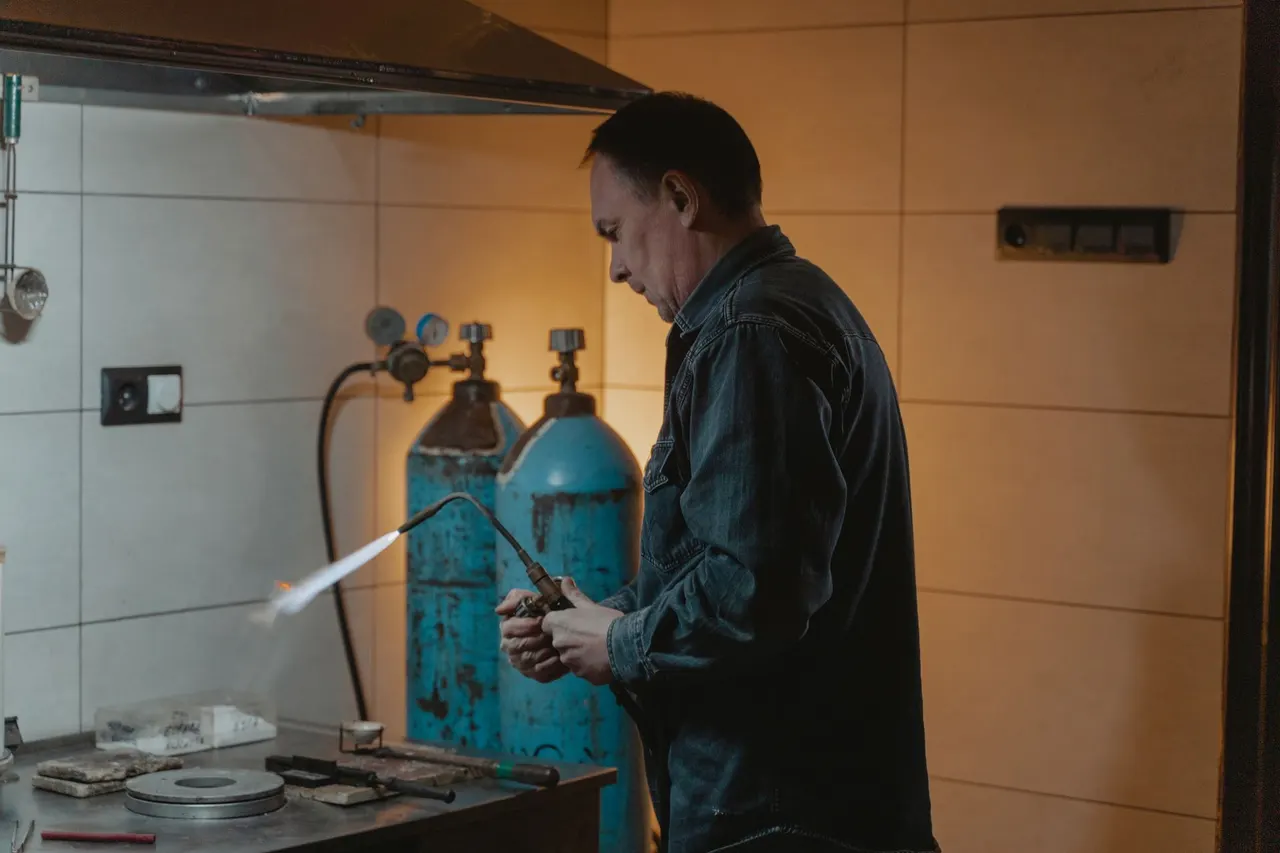
When your furnace quits on a cold Monterey Park night, our NATE-certified techs diagnose and fix it fast. We handle furnace repair in Monterey Park for gas and electric systems, from dirty flame sensors to cracked heat exchangers. Whether you need heating repair Monterey Park CA or a full tune-up, we stock common parts on every truck and get your heat back on the same day.
Useful updates and clear arrival timing.
Review the approach and price before deciding.
Equipped vehicles and respectful cleanup.
Neighbors serving neighbors with follow-through.
Every furnace repair visit covers a full diagnostic and the repair you approve. We do not bundle in services you did not ask for. Here is what is included, and what we can add if you want it.
We test thermostat communication, control board voltage, igniter resistance, flame sensor microamps, and gas pressure. We inspect the heat exchanger with an inspection camera. This takes 30 to 45 minutes and tells us exactly what failed.
You get the price for the repair before we start. No hourly billing, no diagnostic fee that only disappears if you buy something bigger. You approve the number, we do the work.
We replace the igniter, flame sensor, thermocouple, capacitor, blower motor, gas valve, limit switch, or control board as needed. We use manufacturer-specified parts and follow the spec sheet for your brand.
After the repair, we verify flame signal, check temperature rise with a digital thermometer, and confirm the limit switch is not tripping. We follow ASHRAE standards for combustion safety so your furnace runs safely, not just quietly.
We check your furnace filter and blower airflow. A clogged filter is a common cause of short cycling and high limit trips. If it needs changing, we can swap it on the spot and show you the correct size for next time.
Share what is happening and receive a clear next step from the local team.
Furnace repair in Monterey Park is the diagnosis and correction of faults in your home's heating system, from the thermostat signal through the ignition, gas valve, blower motor, and heat exchanger. A proper repair starts with a multimeter and manifold gauge set to verify voltage, gas pressure, and airflow. We test the igniter, flame sensor, thermocouple, capacitor, and control board before replacing anything. If your furnace is not heating, short cycling, or blowing cold air, the fault is usually one of those components, and we confirm it with readings, not guesses.
Monterey Park homes deal with cool, damp winters and older housing stock, so we see a lot of pilot light won't stay lit and furnace tripping breaker calls. If you're searching for furnace repair near me Monterey Park CA, we run same-day furnace repair Monterey Park for most calls. Our trucks carry Carrier, Trane, Lennox, Rheem, Goodman, Bryant, American Standard, York, Mitsubishi Electric, and Daikin parts, so we can often finish in one visit.
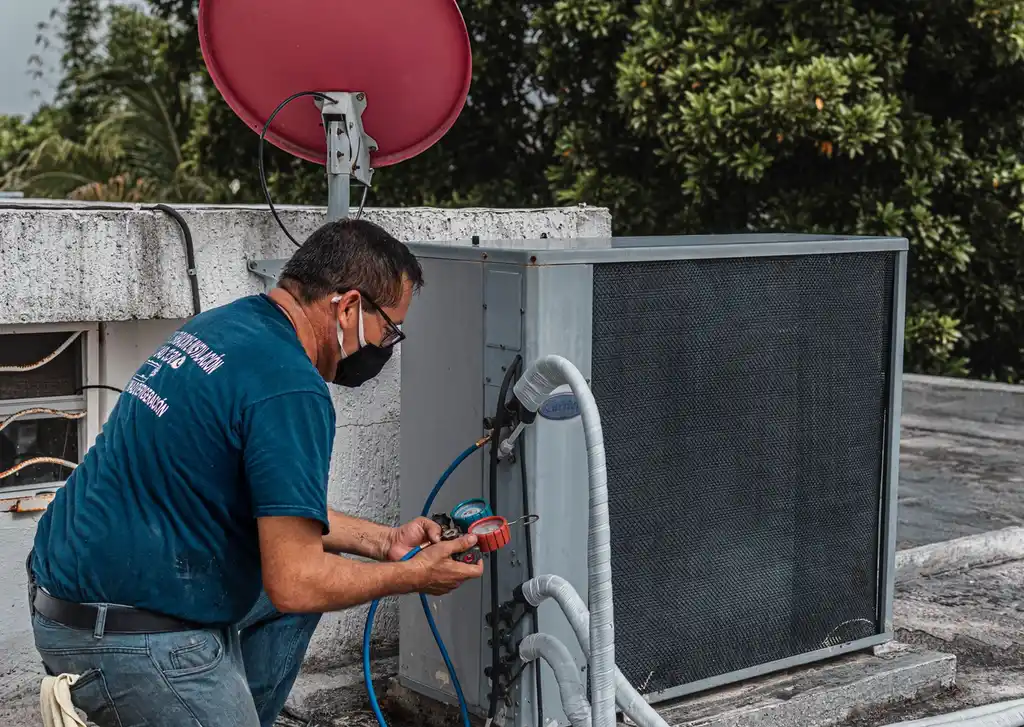
We ask what your furnace is doing: not heating, short cycling, loud noise, leaking water, or tripping the breaker. That tells us which parts to load and whether this is an emergency heating repair Monterey Park California call. You get a two-hour arrival window, not a vague all-day promise.
Our tech checks thermostat communication, voltage at the control board, igniter resistance, flame sensor microamps, and gas pressure with a manifold gauge set. We inspect the heat exchanger with an inspection camera for cracks. This takes 30 to 45 minutes and pinpoints the fault.
You get a flat-rate price for the repair before we touch a wrench. If the furnace is old and the repair cost approaches replacement, we tell you that plainly and let you decide. No pressure, no upsell script.
We replace the failed component, whether that is an igniter, flame sensor, capacitor, blower motor, gas valve, or control board. Most repairs take one to two hours. We use manufacturer certifications and follow the spec sheet for your Carrier, Trane, or Rheem unit.
We run the furnace through a full heat cycle, check temperature rise with a digital thermometer, verify flame signal, and confirm the limit switch is not tripping. You get a written summary of what failed and what we did. If it needs a follow-up, we schedule it before we leave.
Checks gas pressure at the valve and verifies the furnace is running within the manufacturer's specified range. We use it on every gas furnace repair before and after the fix.
Tests voltage at the control board, igniter resistance, flame sensor microamps, and capacitor readings. It tells us which component failed instead of replacing parts on a hunch.
Measures flue gas oxygen and carbon monoxide levels after the repair. We use it to confirm the furnace is burning safely and to follow ASHRAE combustion standards.
Lets us look inside the heat exchanger for cracks without pulling the furnace apart. A cracked heat exchanger is a safety issue, and this is how we confirm it.
Measures temperature rise across the furnace to confirm airflow and heat output are correct after the repair. If the rise is off, the furnace is not running right.
Cleans evaporator fins and evacuates refrigerant lines when a repair touches the cooling side. Keeps airflow and refrigerant charge correct on combination heating and cooling systems.
Our techs follow NATE diagnostic protocols for gas and electric furnaces. That means testing in sequence: thermostat, control board, ignition, flame sensing, gas pressure, airflow. It prevents replacing a good part because we skipped a step.
We size and verify airflow to ACCA standards. Correct airflow protects the heat exchanger, prevents short cycling, and keeps temperature rise in spec. It is also why we check your furnace filter on every visit.
For any work touching refrigerant or combustion, we follow EPA Section 608 practices. That covers safe handling, leak checks, and proper recovery. It keeps your system legal and your home safe.
Every repair follows local building codes for Los Angeles County and manufacturer specs for your brand. We pull permits when required and test the finished work against the code, not just against whether the furnace turns on.
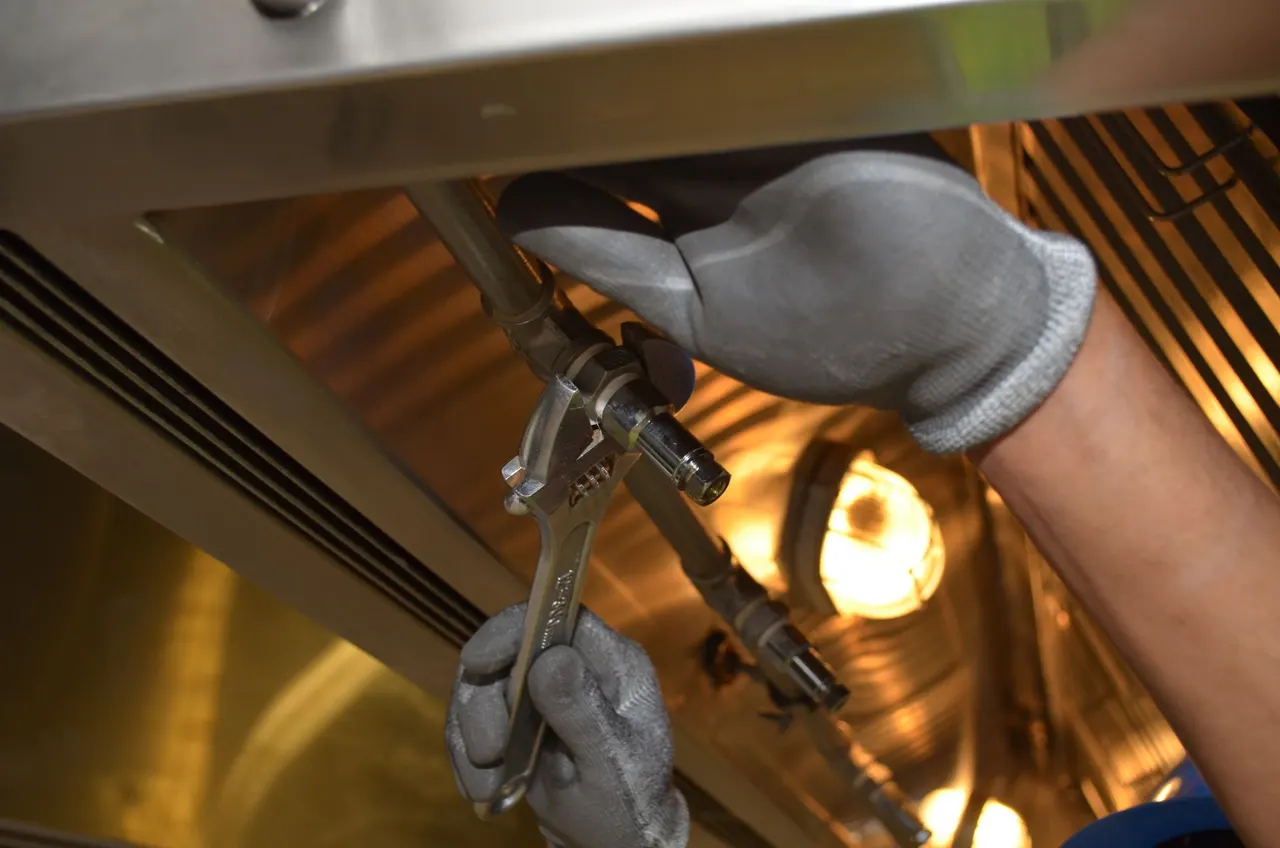
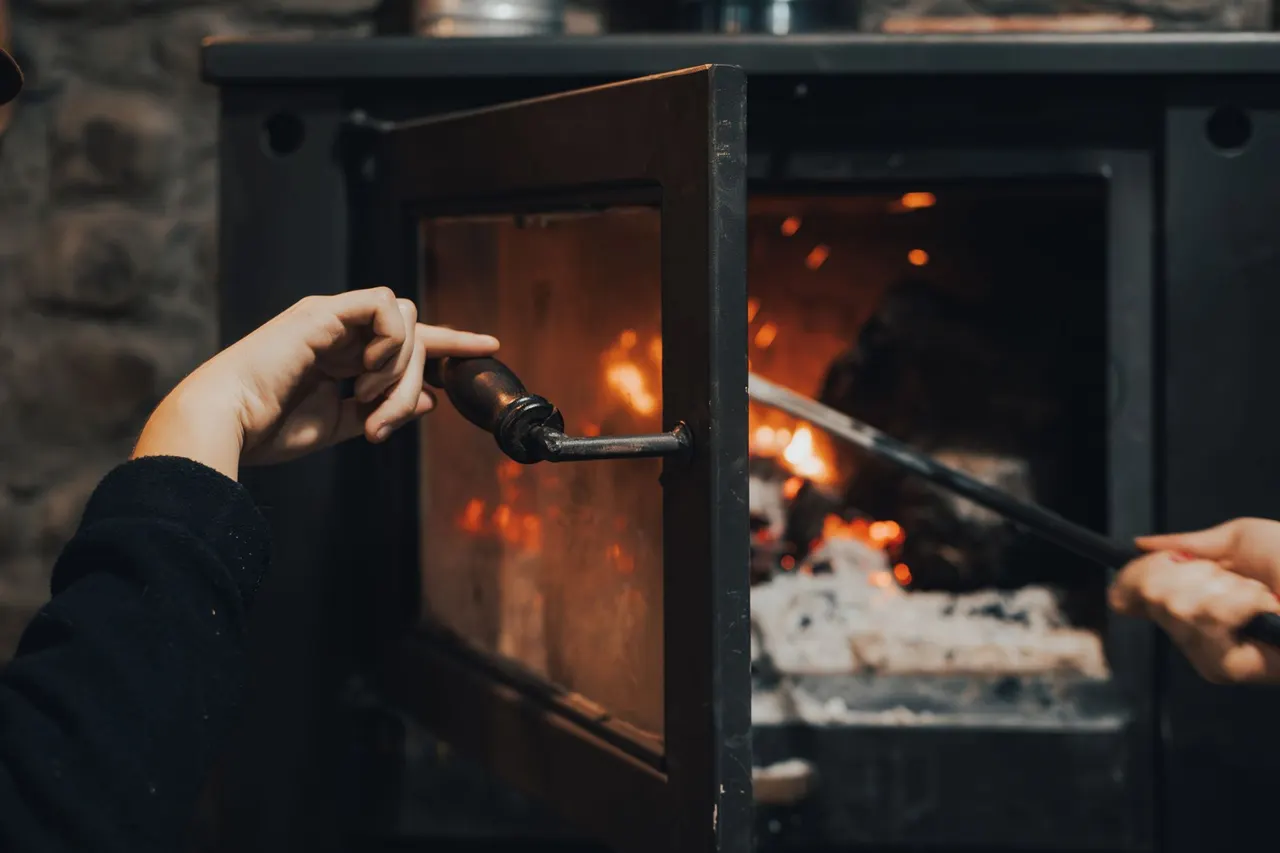
We run same-day furnace repair Monterey Park for no-heat calls. Our techs arrive with igniters, flame sensors, and capacitors on the truck. We diagnose the fault, quote the repair flat-rate, and fix it in one visit when parts allow. You get heat back the same day, usually within a few hours of your call.
Short cycling often points to airflow or a failing limit switch. We check the furnace filter, blower motor, and limit switch, then correct the airflow or replace the part. We also inspect the heat exchanger, since older units are more prone to cracks. The furnace runs full cycles again, and you know whether the heat exchanger is safe.
We test thermostat wiring, control board voltage, and the low-voltage circuit. A loose wire or failed control board is usually the cause. We repair or replace the board and verify the thermostat signal through a full heat cycle. Your thermostat and furnace talk again, and you get reliable heat on schedule.
We treat gas smells and repeated breaker trips as priority calls. We check the gas valve, burner assembly, and electrical circuit, then repair the fault. If we find a cracked heat exchanger, we tell you immediately and discuss replacement options. The safety issue is resolved, and you get a clear answer on repair versus replacement.
Monterey Park winters are mild but damp, and that combination is hard on furnaces. Coastal moisture corrodes flame sensors and igniters, while dust from the dry months clogs filters and blower wheels. Most homes here were built between the 1940s and 1980s, so we see a lot of older gas furnaces with original heat exchangers and aging control boards. We treat every heat exchanger inspection as a safety check, not a formality. For heating repair in Monterey Park for older homes, we often find that a $200 flame sensor or igniter replacement is all that is needed, even when another company quoted a full system replacement. We also handle heating and cooling repair Monterey Park calls, since many local homes run a shared blower and coil. Our trucks cover ZIP codes 91755, 91754, and 91756, and we know which streets in Downtown Monterey Park and Monterey Highlands have older ductwork that restricts airflow. If your furnace not heating Monterey Park CA, call and we will give you a two-hour window.
A mix of older single-family homes and small apartment buildings. Many furnaces here are original to the 1960s and need heat exchanger inspection on every visit.
Hillside homes with longer duct runs and more temperature variation room to room. We check static pressure and airflow more carefully here to prevent short cycling.
A mix of mid-century homes and newer remodels. We often see mismatched furnace and thermostat upgrades that cause communication faults.
Close to the 60 freeway, so dust and outdoor debris clog filters faster. We recommend checking the furnace filter every 60 to 90 days here.
Moisture corrodes flame sensors and igniters faster than in drier inland areas. We clean or replace these parts more often on Monterey Park furnaces.
Restricted or leaky ducts raise static pressure and cause short cycling. We measure airflow and recommend duct fixes only when the readings show a real problem.
Furnaces cycle on and off more frequently, which wears out capacitors and limit switches. We test both on every repair call.
Filters clog faster, reducing airflow and raising the risk of limit switch trips. We check the filter on every visit and show you the correct size.
A homeowner called at 7 p.m. with a furnace blowing cold air and the house at 59°F. The thermostat was calling for heat, but the burner would not light. The furnace had not been serviced in three years.
We found a dirty flame sensor reading below spec and a weak igniter. We cleaned the sensor, replaced the igniter, and verified flame signal and temperature rise. Heat was back in 90 minutes, and the house reached 70°F within two hours.
Maintenance: We recommended an annual fall tune-up and a new furnace filter. Cleaning the flame sensor once a year prevents most no-heat calls on this type of furnace.
A homeowner reported the furnace running for two minutes, shutting off, then restarting every few minutes. The house never got warm, and the utility bill had climbed. Two other companies suggested replacing the furnace.
We measured high static pressure and found a clogged filter and a weak capacitor. We replaced the capacitor, changed the filter, and corrected the airflow. The furnace now runs full 12-minute cycles, and temperature rise is back in spec.
Maintenance: Check the furnace filter every 60 days and have the capacitor tested annually. Correct airflow is what keeps the limit switch from tripping.
A homeowner smelled gas near the furnace and shut it off at the breaker. The furnace was 14 years old, and the pilot would not stay lit even after relighting. The family was using space heaters for two days.
We found a failing gas valve and a weak thermocouple. We replaced both, checked gas pressure with a manifold gauge set, and confirmed the pilot held through five full cycles. Combustion readings came back within ASHRAE limits.
Maintenance: Have the gas valve and thermocouple checked each fall. If you smell gas, shut the furnace off and call before using it again.
Most no-heat calls come down to a handful of failures. Here are the ones we see most in Monterey Park and how we handle them.
The house drops below 60°F within hours, and pipes in older Monterey Park homes can be at risk on cold nights. You also burn electricity running a blower that is not producing heat. We test the igniter, flame sensor, and gas valve with a multimeter and manifold gauge set. Most no-heat calls trace to a dirty flame sensor or failed igniter. We clean or replace the part, verify flame signal, and confirm temperature rise before we leave.
The furnace locks out and you get no heat at all. Repeated relighting attempts can release unburned gas, which is a safety concern in any home. We inspect the thermocouple, thermopile, and gas valve. A weak thermocouple is the usual culprit. We replace it, check gas pressure, and confirm the pilot holds through a full heat cycle. If the gas valve is failing, we quote that repair separately.
Short cycles wear out the blower motor and limit switch faster, and a tripping breaker points to an electrical fault that can damage the control board. We check airflow, the furnace filter, the limit switch, and the capacitor. Restricted airflow from a clogged filter is the most common cause. We correct the airflow, test the capacitor, and verify the breaker holds through several cycles.
Banging, rumbling, or water under the unit usually means a mechanical or condensate problem. Ignoring it can lead to a cracked heat exchanger or water damage to the floor. We inspect the blower motor, inducer, and condensate drain. On high-efficiency furnaces, a clogged drain line causes most leaks. We clear the drain, check the blower, and inspect the heat exchanger with a camera for cracks.
Our techs hold NATE certification and EPA Section 608 credentials, and we work under a CSLB license for HVAC work in California. We follow ACCA standards for load and airflow and ASHRAE standards for combustion safety. That means we read the numbers, not just swap parts. We have worked on furnaces across Los Angeles County, from 1960s gravity systems in Monterey Highlands to modern high-efficiency condensing units in Downtown Monterey Park. We know which parts fail first in our climate and which repairs hold.
Our furnace quit on a Friday night and the house was down to 58 degrees. They came out Saturday morning, found a dirty flame sensor, cleaned it and replaced the igniter. Had heat back in under two hours. Price was exactly what they quoted on the phone.
We had two other companies tell us we needed a new furnace. Furnace Fix Pros tested the heat exchanger with a camera, showed us it was fine, and replaced the blower motor instead. Saved us thousands. Honest work and they cleaned up after themselves.
I manage several rentals in 91754 and 91755. When a tenant calls with no heat, these guys respond fast and give me a flat-rate quote before they start. They have handled gas valve and control board repairs for me without any surprise charges. That is rare.
Most furnace repairs in Monterey Park run $180 to $650 in 2026, depending on the failed part and labor. A flame sensor or igniter replacement sits at the low end. A blower motor, gas valve, or control board pushes toward the higher end. We quote flat-rate before we start, so you approve the number first.
Once a year, ideally in early fall before the first cold snap. Monterey Park winters are mild but damp, and dust plus coastal moisture shorten igniter and flame sensor life. An annual tune-up checks gas pressure, cleans the flame sensor, inspects the heat exchanger, and replaces the furnace filter. That routine prevents most mid-winter breakdowns.
The most common causes are a dirty flame sensor, a failed igniter, a stuck gas valve, or a thermostat that is not communicating. Less often, it is a cracked heat exchanger or a tripped limit switch. We test each with a multimeter and combustion analyzer, then repair the actual fault instead of replacing parts on a hunch.
We do. We run same-day furnace repair Monterey Park for most calls, including evenings and weekends. Our trucks carry common parts for Carrier, Trane, Lennox, Rheem, Goodman, Bryant, American Standard, York, Mitsubishi Electric, and Daikin furnaces. Call and we will give you a two-hour arrival window.
Not seeing your question? Our local team can help you understand urgency, scheduling and what to expect.
Ask the local team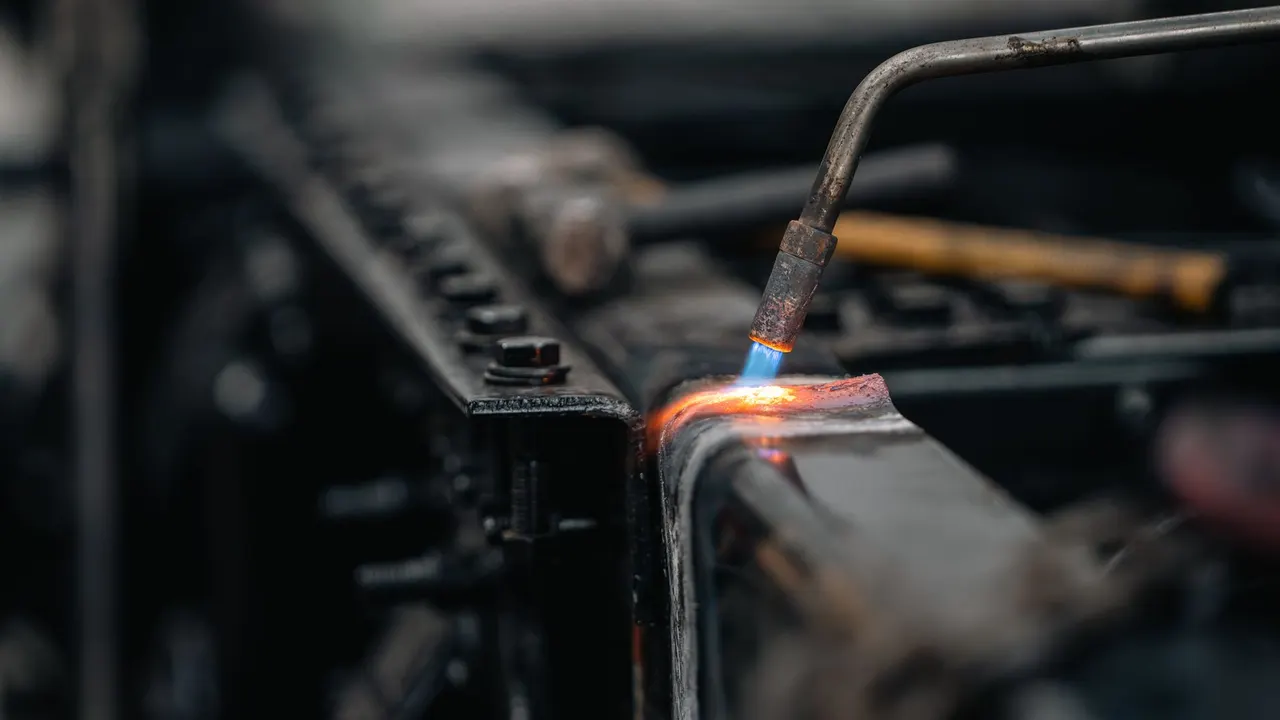
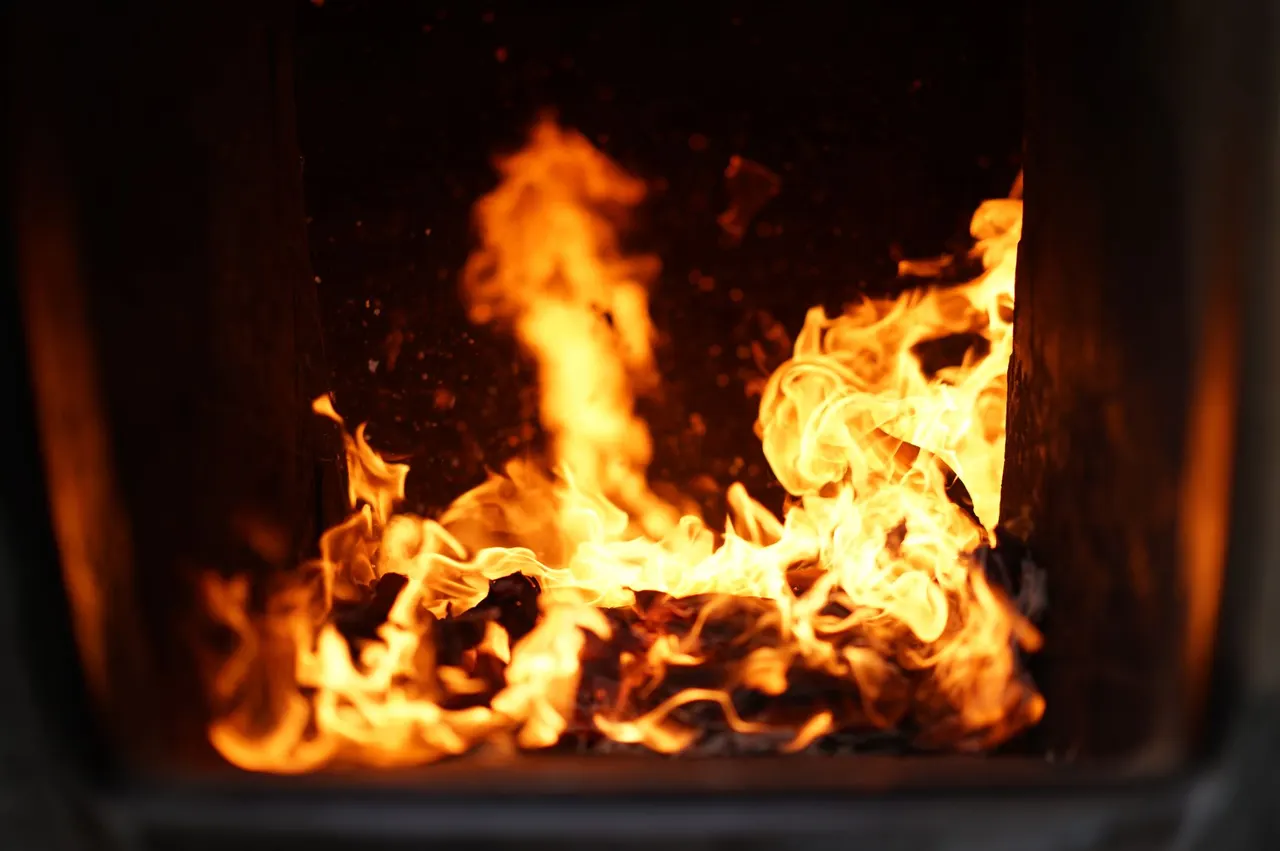
When your furnace dies at 2 a.m. and the house is cold, we run emergency heating repair Monterey Park California calls. We prioritize no-heat situations, especially for older adults and homes with infants, and carry the igniters and sensors that fail most often.
View service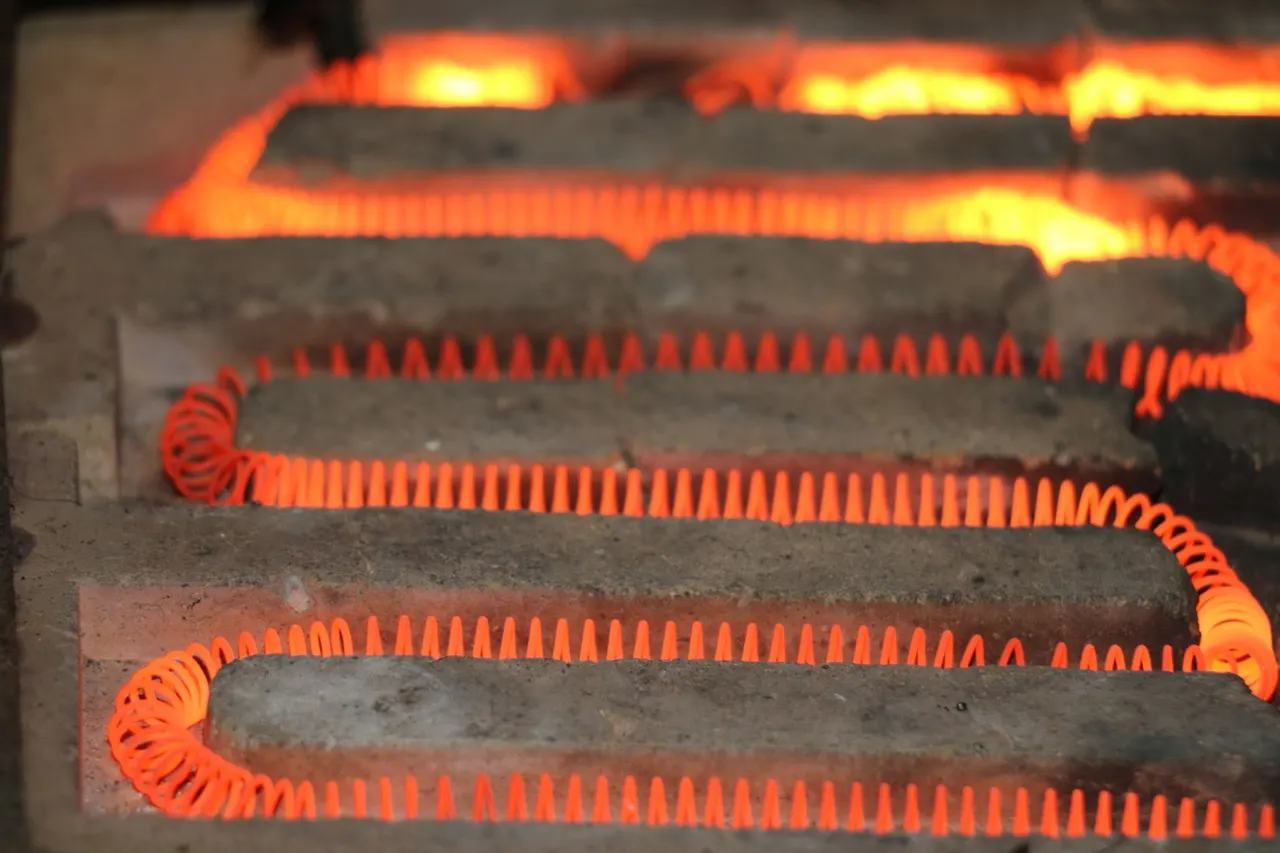
Gas furnaces need gas pressure checks, flame sensor cleaning, and heat exchanger inspection. We use a combustion analyzer and manifold gauge set to verify safe operation. If your pilot light won't stay lit or the furnace is tripping the breaker, we diagnose the gas-side fault and fix it.
View service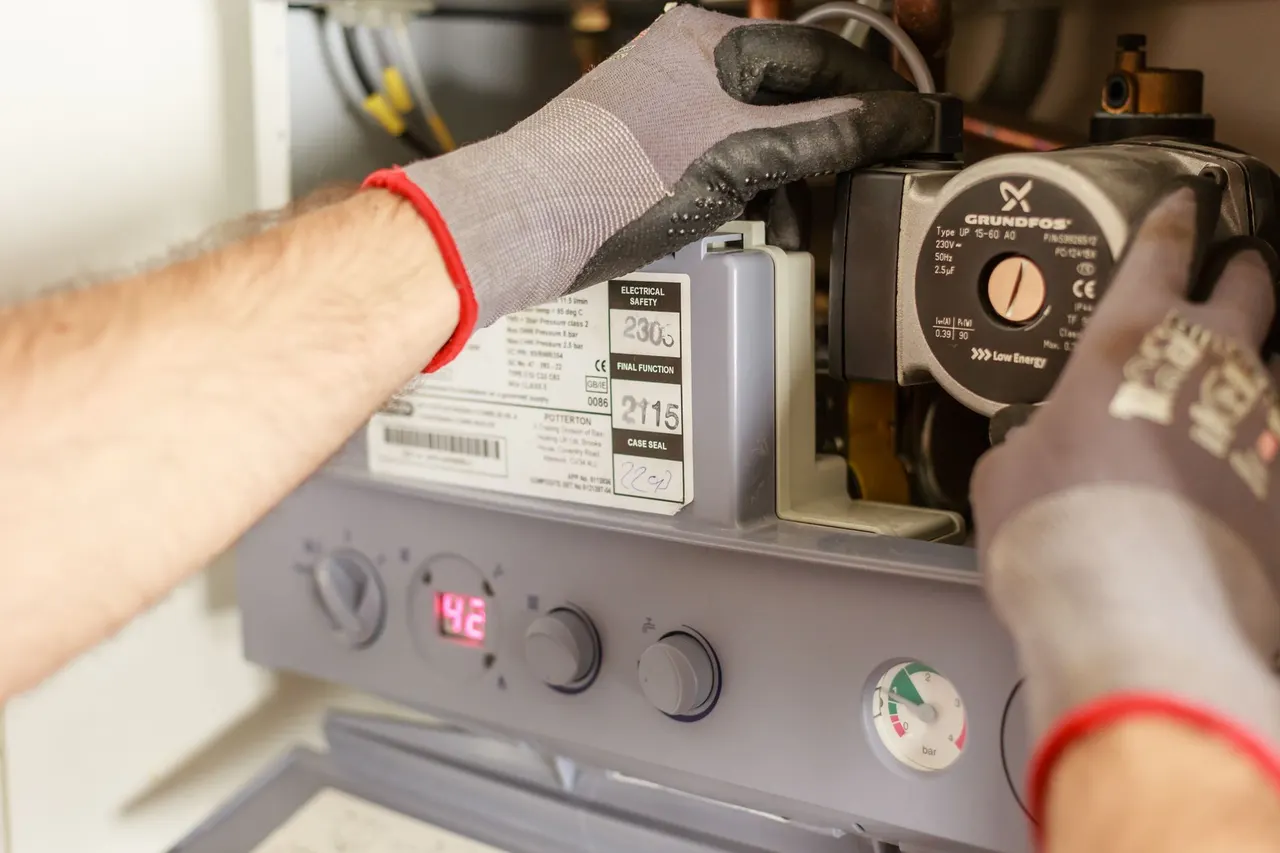
Electric furnaces rely on heating elements, sequencers, and blower motors. We test voltage at the control board, check the limit switch, and verify airflow. If your electric furnace is blowing cold air or short cycling, we trace the fault and repair it the same day when parts allow.
View serviceWhen a repair no longer makes sense, we install Carrier, Trane, Lennox, Rheem, Goodman, Bryant, American Standard, York, Mitsubishi Electric, and Daikin furnaces. We size the unit to ACCA standards, pull the right permit, and test temperature rise before we leave.
View serviceCall us at +1 (626) 263-8847 any time, day or night. Our phone line is answered by a real person who can book a same-day appointment or dispatch an emergency technician. We serve Monterey Park, California and the surrounding Los Angeles County area, including the 91754, 91755, and 91756 ZIP codes.